Expert Siding Services to Improve Your Home's Street presence
Increasing a home's visual appeal often commences with its siding. Expert professional services play an essential role in this undertaking. High-quality materials and skilled workmanship can enhance a property's exterior. Homeowners should be aware of warning signs suggesting that an renovation is required. Understanding these elements can substantially influence both visual appeal and worth. What factors should one consider when exploring siding options? The response might impress you.
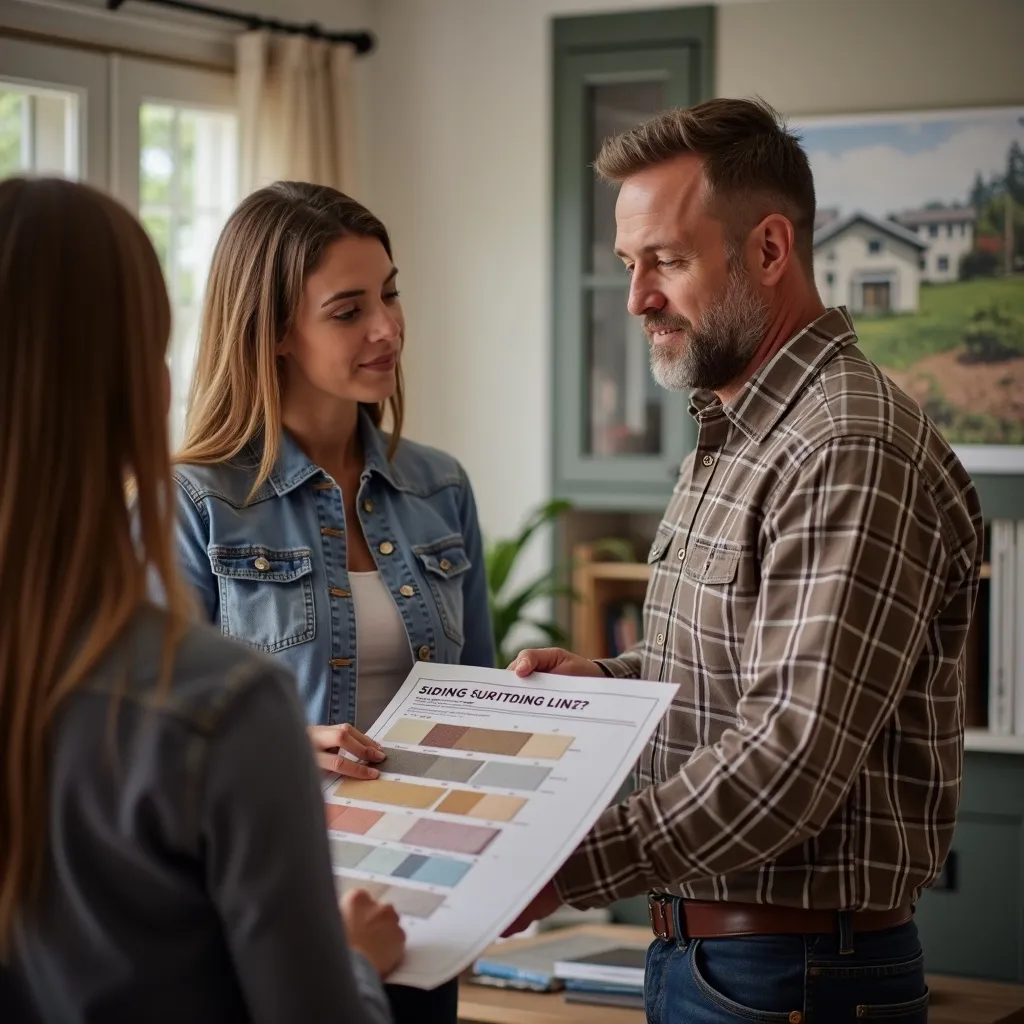
Is Your Home's Siding Due for an Replacement?
What signs should homeowners look for when deciding whether their siding requires an upgrade? Property owners must conduct a detailed assessment of their siding's condition. Evidence of deterioration include fading, peeling paint, and noticeable fractures or holes. Additionally, mold or mold growth existence can indicate water issues that might damage the siding's integrity. Property owners should also check for bending or warping, which can impact insulation and fuel efficiency.
An critical consideration is the maturity of the siding. The majority of materials have a lifespan, and if the siding is nearing or surpassing that limit, an replacement may be required. Furthermore, homeowners should evaluate the overall aesthetic appeal; outdated or damaged siding can detract from a home's street presence. Consulting with experts can offer useful guidance into whether repair or replacement is the best course of action, ensuring that the home remains attractive and properly maintained.
The Advantages of Professional Siding Setup
Making an investment in qualified siding installation gives homeowners multiple benefits that surpass mere aesthetics. One important advantage is the assurance of excellent workmanship. Professional installers bring the necessary knowledge and experience to make sure that siding is applied correctly, reducing the chances of high-priced mistakes. Furthermore, they typically use high-quality materials that improve durability and longevity, which can help homeowners to save money in the long term.
Additionally, expert installation includes warranties, offering assurance against potential problems. This can be particularly important in preserving the property's long-term value. Another benefit is the ability to explore a variety of materials and designs, allowing homeowners to choose options that best fit their vision and local weather conditions. In the end, the skill of professionals enhances the home's appearance and supports its structural integrity.
What Makes Siding Enhance Energy Efficiency and Protect Your Home
Siding enhances a home's aesthetic value and is crucial for boosting energy efficiency and protecting the structure. Quality siding materials create a defensive layer against severe weather conditions, minimizing the likelihood of moisture infiltration that can cause mold and structural damage. Insulated siding options greatly enhance energy efficiency by cutting down heat loss during winter months and keeping homes cooler in summer. This insulation decreases the workload on heating and cooling systems, generating lower energy bills. Furthermore, well-installed siding can prevent drafts, ensuring a comfortable indoor environment year-round. Additionally, modern siding materials are built to overcome fading, warping, and cracking, which preserves the home's exterior from deterioration. By investing in quality siding, homeowners not only beautify their property's exterior charm but also secure long-term energy savings and structural integrity, making it a sound choice for any homeowner wanting to protect their investment.
Selecting the Optimal Siding Option for Your Home
When assessing exterior cladding for a home, homeowners must examine various considerations such as popular options, durability, care demands, and aesthetic appeal. Each material offers distinct benefits and cons that can shape both the home's visual presentation and long-term performance. Grasping these components is vital for making an informed decision that boosts exterior attractiveness and guarantees lasting value.
Widely-Used Siding Options On Hand
Picking the ideal cladding option can substantially upgrade a home's visual character and guard it from the natural environment. Homeowners routinely consider various common siding choices, each offering special advantages. Vinyl siding is valued for its cost savings and hassle-free maintenance, making it a go-to option. Wood siding, although rather traditional, delivers a cozy, authentic feel but calls for consistent care. Fiber cement siding combines robustness with the wooden aesthetic, drawing those desiring strong performance with visual charm. Additionally, brick and stone veneer offer elegant timelessness and outstanding durability, yet they come with a significant expense. By examining these possibilities, homeowners can choose the siding that optimally suits their aesthetic goals, budget constraints, and practical needs.
Longevity And Maintenance Factors
Determining the appropriate siding material centers on its durability and maintenance requirements. Homeowners must weigh how different materials withstand various weather conditions, pests, and potential damage. Vinyl siding is known for its toughness and minimal upkeep, requiring only occasional cleaning. In comparison, wood siding offers a conventional appearance but demands frequent coating or refinishing to prevent rot and insect infestations. Fiber cement siding merges durability with minimal upkeep, resisting fire and rot while demanding reduced maintenance frequency. Metal siding, albeit highly durable, may be prone to dents and scratches. At the end of the day, reviewing the durability and care obligations of each material is essential for homeowners striving to uplift their home's curb appeal while ensuring lasting performance.
Aesthetic Attraction Considerations
When evaluating siding options, homeowners must think about how visual attractiveness influences the overall character of their property. The choice of siding material greatly influences the appearance of a home, contributing to its appeal and market value. Materials such as wood, vinyl, and fiber cement each provide distinct finishes and hues that can suit various architectural styles. For instance, natural wood siding exudes warmth and character, while vinyl provides a more modern, low-maintenance look. Additionally, homeowners should consider how the siding color harmonizes with other elements, such as roofing and landscaping. Ultimately, selecting the right siding material is essential for improving exterior aesthetics and ensuring the home represents the owner's personal taste and style.
Top Color Trends to Improve Your Home's Outside
When opting for colors for exterior homes, contemporary trends highlight the appeal of rich, dark tones coupled with soft, neutral tones. These choices not only enhance curb appeal but also create a harmonious balance. In addition, weaving in dynamic accent hues can bestow a element of personality and distinction to any exterior.
Bold, Dark Hues
Bold, dark hues have become a compelling option for property owners seeking to enhance their property's outside. These deep colors, such as navy blue, charcoal gray, and forest green, offer a bold and elegant look that stands out in any neighborhood. They inspire a sense of elegance and modernity, making homes seem more welcoming and refined. Additionally, dark hues can produce a stunning contrast against landscaping, improving the overall aesthetic appeal. Many homeowners are selecting these shades not only for their striking appearance but also for their ability to conceal flaws and deterioration over time. As a result, bold, dark colors are becoming increasingly popular in siding choices, aligning with contemporary design trends that favor strong, confident statements.
Delicate Subdued Tones
Soft, neutral tones offer an uplifting contrast to the bold, dark hues increasing in demand in home exteriors. These subtle shades, such as beige, taupe, and soft gray, establish a serene ambiance that enhances a home's comprehensive charm. Homeowners increasingly favor these colors for their multi-purpose nature, facilitating their blend seamlessly with natural surroundings. The understated elegance of soft neutrals can highlight architectural details
Vibrant Accent Colors
While subdued hues deliver a serene backdrop, bright accent shades can transform a residence's facade into a remarkable visual statement. Homeowners are increasingly opting for bold hues such as navy blues, bold reds, and bright yellows to draw attention and showcase individuality. These colors can be applied to main doors, window covers, or even entire sections of facade panels, forming dynamic contrasts against more subdued shades. Additionally, the suitable accent shades can enhance design elements, drawing greater notice. Current styles also recommend matching bold colors with natural materials, striking a balance between contemporary design and traditional charm. Ultimately, the selection of accent hues not only boosts exterior attractiveness but also demonstrates the personality and style of the homeowner, turning the home especially appealing.
What Happens During Siding Installation
When installing siding, property owners can anticipate a methodical procedure that renovates the outside of their property. At the beginning, a thorough evaluation of the existing siding is performed, pinpointing any necessary repairs or work needed. Then, the installation team will ready the work area, guaranteeing safety and productivity. This may involve removing old siding and examining the underlying structure for any damage.
Once the preparatory work is finished, the installation of the new siding begins, typically progressing from bottom to top. Proper positioning and securing are essential to ensure a long-lasting result. Homeowners should expect periodic updates from the installation crew, ensuring they stay updated about progress and any unexpected issues.
After the siding is put in place, the work area is cleaned up to leave the property looking pristine. Homeowners can expect a substantial improvement to their home's exterior appearance, displaying the new siding's aesthetic value.
Fundamental Maintenance Tips for Resilient Siding
Maintaining siding properly lengthens its lifespan and improves the home's appearance. Frequent examinations are vital; homeowners should look for indicators of deterioration, such as fractures, warping, or flaking paint. Washing siding at least two times annually with a gentle cleanser and water helps eliminate dirt and mildew, preventing deterioration.
A basic water spray works insightful guide for vinyl siding, whereas wood siding may require more thorough cleaning. It is also vital to make sure gutters remain clear to avoid water damage from pooling. Additionally, caulking gaps and repairing any detached sections promptly will protect against moisture intrusion.
Timely inspections for pests, particularly in wooden exterior materials, can more effectively protect integrity. Finally, applying a protective finish as suggested by experts can enhance durability and resist weathering, ensuring the siding persists as visually appealing and functional for years. By adopting these essential maintenance tips, homeowners can preserve their exterior's performance and boost overall curb appeal.
Frequently Asked Questions
How Extended Does New Siding Typically Last?
Typical siding generally lasts between 20 to 40 years, reliant on the medium selected. Vinyl, wood siding, and fiber cement products all have varied lifespans, affected by climate, routine maintenance, and installation standards, shaping overall durability.
Can Siding Be Installed Over Existing Materials?
Yes, siding can often be placed on top of existing materials, as long as they are in good condition. This method can reduce time and money, but it's crucial to confirm proper insulation and ventilation to avoid moisture issues.
What Warranty Protection Exists for Siding Solutions?
Diverse warranties are accessible for siding products, including manufacturer warranties preventing defects, limited lifetime warranties, and labor warranties. Homeowners should inspect specifics, as coverage can shift based on manufacturers and installation conditions.
How Does Siding Affect My Home's Resale Value?
Siding plays a significant role in determining a home's resale value by enhancing visual appeal and thermal performance. Superior quality materials paired with skilled workmanship can entice interested purchasers, typically resulting in increased offers and a faster sale in buyer-competitive neighborhoods.
Can you find environmentally friendly siding options on the market?
Yes, there are sustainable exterior cladding choices accessible. Choices like reclaimed wood, fiber cement, and vinyl made from recycled content offer green selections, strengthening both ecological accountability and design value for residents seeking greener alternatives.